
Evidence before you commit to a product decision
We research products, compare competitors and map sourcing channels for individuals and small businesses. You receive organised findings, referenced sources and a practical shortlist — the decision stays yours.
- Multi-source comparison, never a single opinion
- Every claim carries its source
- Delivered as a pack you can act on

A research desk, not a middleman
Most questions about our work are really questions about what we do not do. Being precise about that boundary is what makes the findings trustworthy.
Not a wholesale operation
We hold no stock and sell no goods. Nothing we produce is a purchase.
- No inventory
- No trade sales
Not an agent
We do not act, negotiate or sign on anyone’s behalf.
- No representation
- No intermediation
Not a payment channel
We never place orders or pay suppliers for you.
- No procurement
- No funds handling
Not a sourcing guarantee
We describe options and risks. We do not promise an outcome.
- No commitments on third parties
- Findings only
Decisions get expensive when the information is thin
Choosing a product, a supplier or a channel is normally a judgement call made with whatever is to hand: a few search results, a marketplace listing, one conversation. That is usually enough to feel informed and not enough to be right.
We work the other way round. Before any conclusion is written down, we gather what is available from multiple independent sources, compare what they say against each other, and record where each fact came from.
- Multi-source comparison instead of a single opinion
- Sources referenced so you can check them yourself
- Assumptions marked as assumptions, not facts
- A shortlist you can act on, ranked against your own criteria

Four things that shape how we work
Every brief is scoped to your situation, but these four principles do not change.

We start with your requirements, not with the market
A list of products is only useful if it is filtered against what you actually need. We spend the first part of every brief turning your situation into a written set of criteria — volume, budget band, quality threshold, timescale and the constraints you cannot move on.
- Criteria written down and agreed before research begins
- Non-negotiable requirements separated from preferences
- Budget expressed as a band, not a single figure

We compare sources, then say what the differences mean
Findings are only as good as the spread behind them. Where sources disagree we say so rather than averaging the noise, and where a figure appears once and cannot be corroborated we label it as unverified.
- Each fact carries a source reference
- Conflicting information is shown, not smoothed over
- Unverifiable claims are flagged as such

Products are compared on the same frame
When you are weighing several categories or several products, comparability matters more than volume. Everything is normalised onto the same set of criteria so the tables mean the same thing from row to row.
- One criteria set applied throughout
- Like-for-like comparison tables
- A shortlist ordered by your own weightings
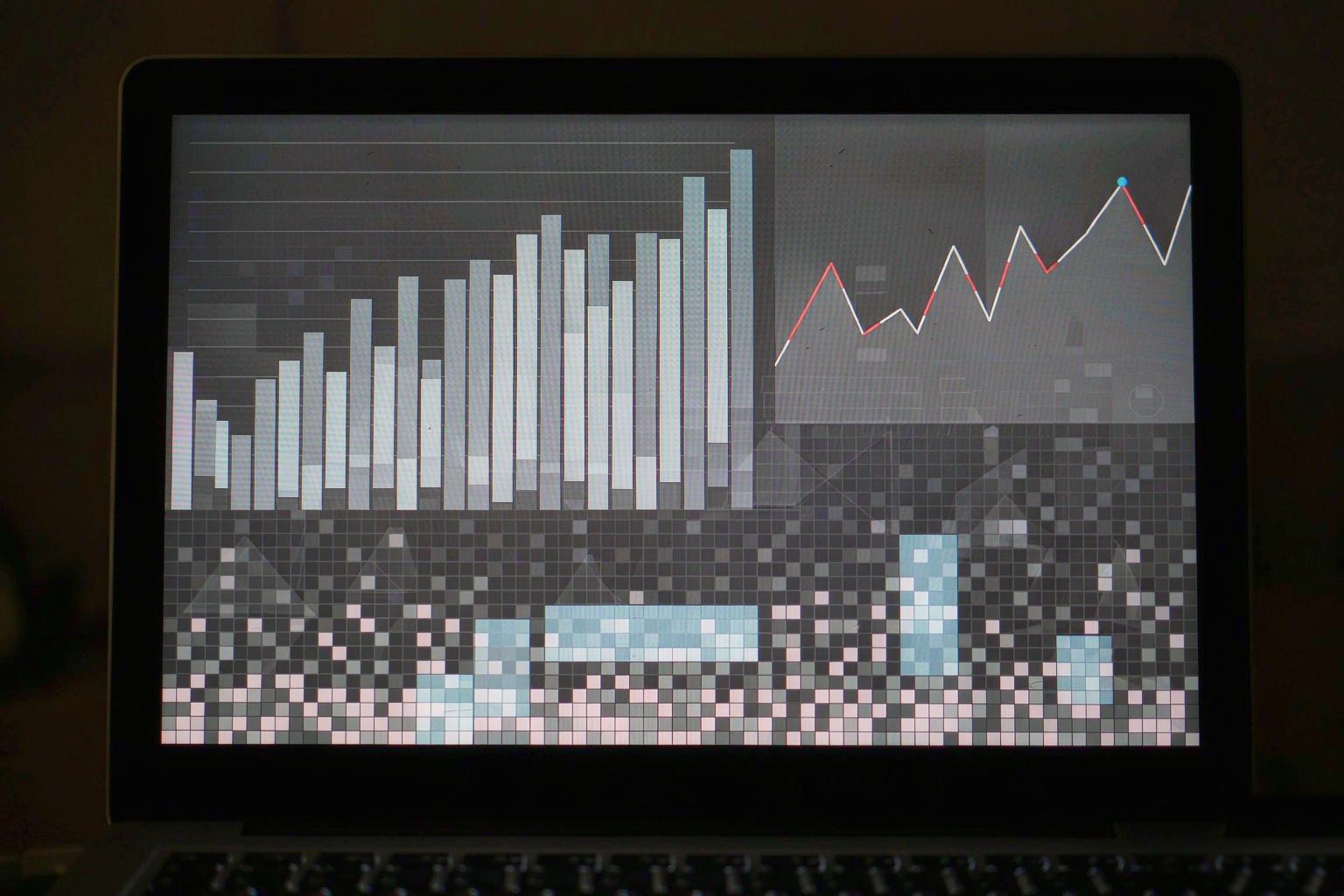
You get a pack, not a conversation you have to remember
The output is a written document with the tables, the sources and a checklist for the next step. It can be filed, shared or handed to someone else without a briefing from us.
- Written findings with sources inline
- Comparison tables you can redraw
- A next-step checklist for each recommendation
Five services, used separately or as one brief
Each service can stand alone. Most briefs combine two or three, depending on how much of the ground you have already covered.
Product Research
We map a product category from the inside out so you know what is actually on the market before you commit.
- Category mapping
- Requirement matching
- Specification comparison
- Candidate shortlist
Competitor Analysis
A structured read of who else is selling into your category, how they position and where the gaps sit.
- Seller and offer survey
- Positioning differences
- Price band spread
- Selling point summary
Supplier Sourcing
Desk-based sourcing: we find and describe candidate supply channels, and tell you what to verify yourself.
- Channel type mapping
- Credential information checks
- Approach and contact notes
- Risk flags to watch
Sourcing Channel Review
A side-by-side read of the channels open to you, with the practical terms that shape a decision.
- Platform and channel comparison
- Minimum order and lead times
- Logistics considerations
- Cost structure notes
Information Pack Preparation
Everything we find, compiled into one document you can act on or hand to a colleague.
- Findings compilation
- Source referencing
- Comparison tables
- Next-step checklist
From first conversation to a shortlist you trust
Scoping conversation
We agree the category, the criteria, the budget band and the timescale in writing.
Desk research
Multiple sources are gathered, compared and recorded with references.
Verification pass
Single-source figures are flagged, contradictions are surfaced, gaps are named.
Pack assembly
Findings become comparison tables, a ranked shortlist and a next-step checklist.
Handover call
We walk through the pack, answer questions and note anything you want taken further.
Everything in one document you keep
- Written findings with sources referenced inline
- Comparison tables normalised onto one criteria set
- Ranked shortlist against your own weighting
- Risk flags and what to verify yourself
- Next-step checklist for each recommendation
- A short handover call to walk through the pack
Most product categories, as long as we can compare them
We work desk-based, so we are strongest where information exists somewhere in writing: specifications, listings, published terms and directory entries.

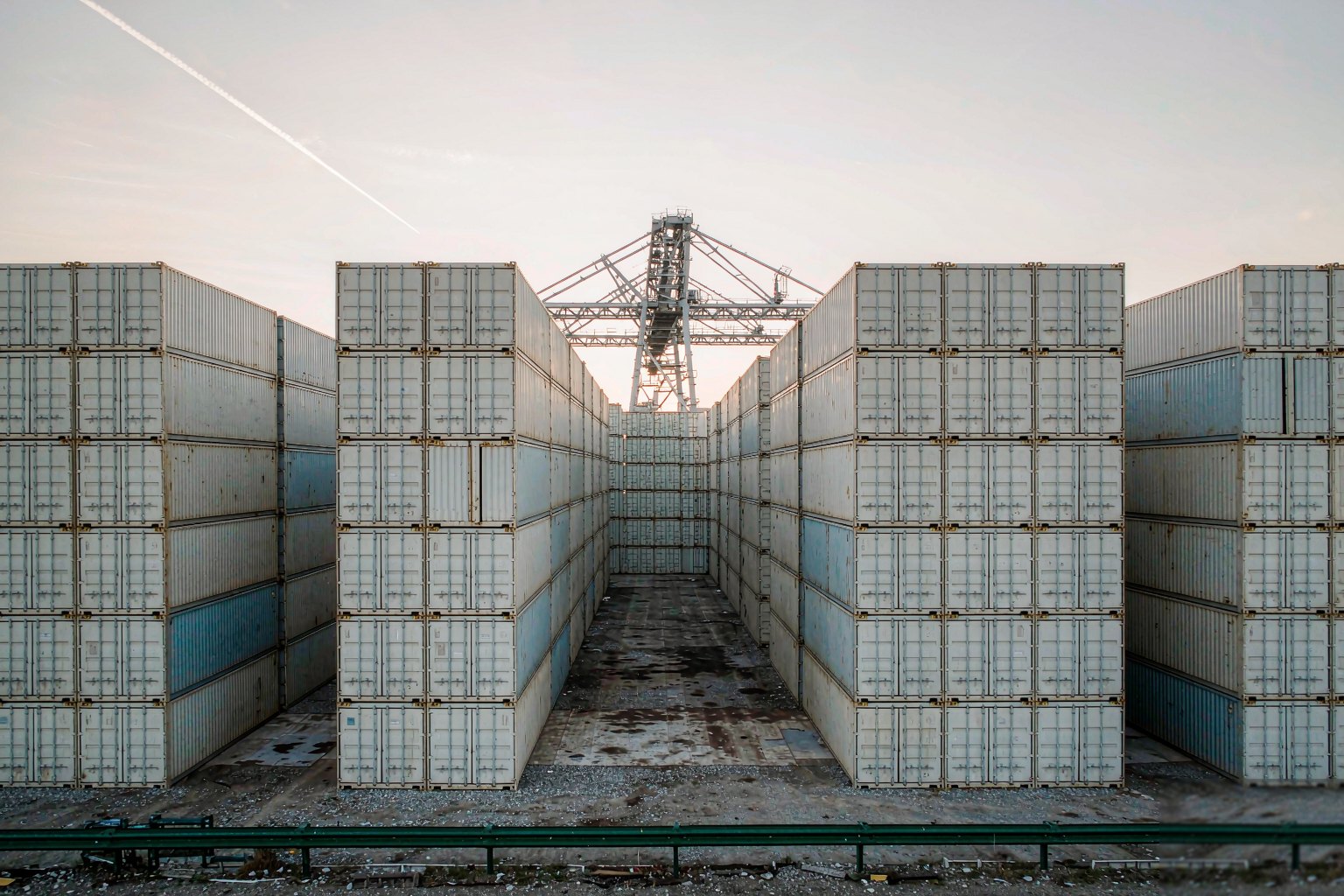
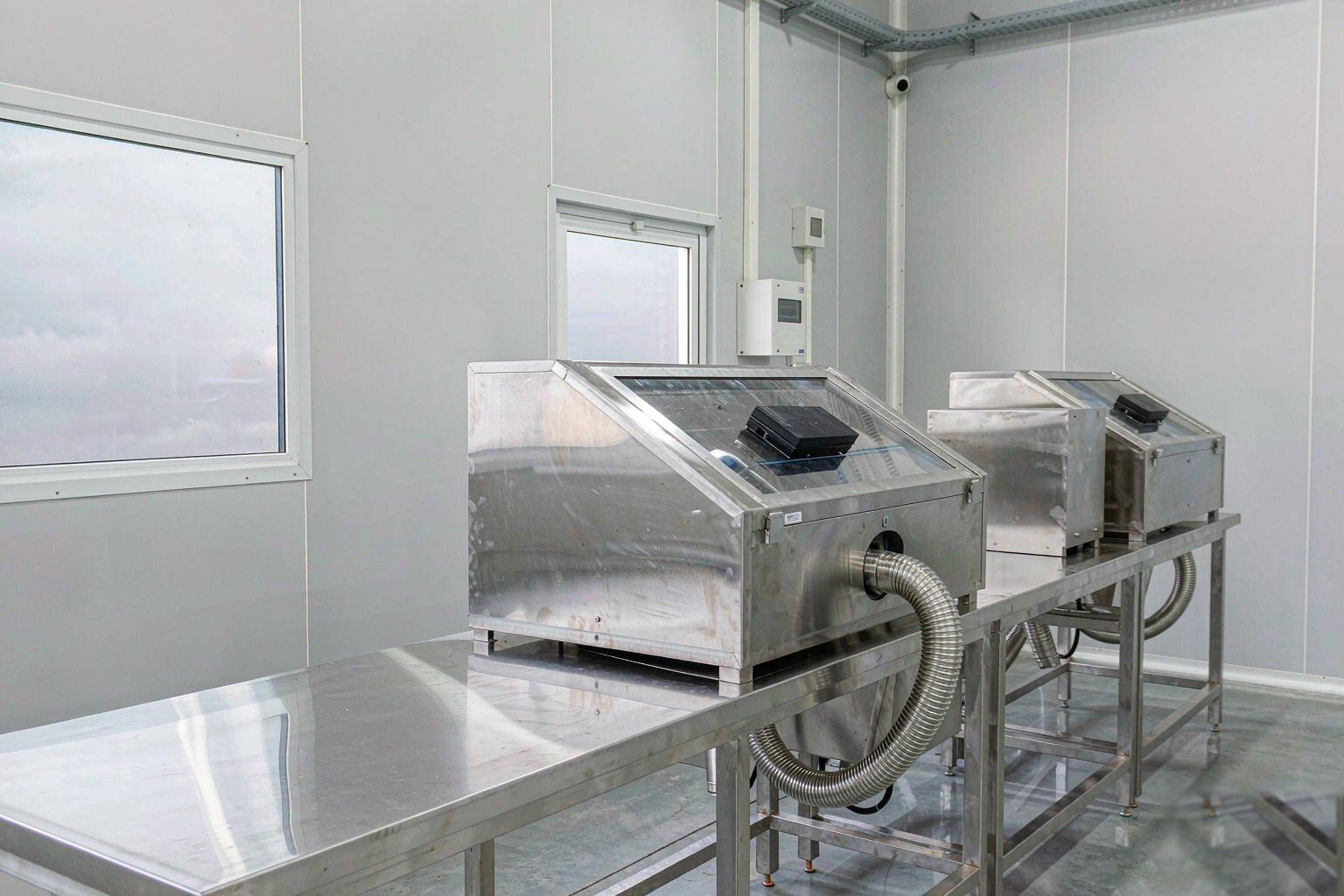






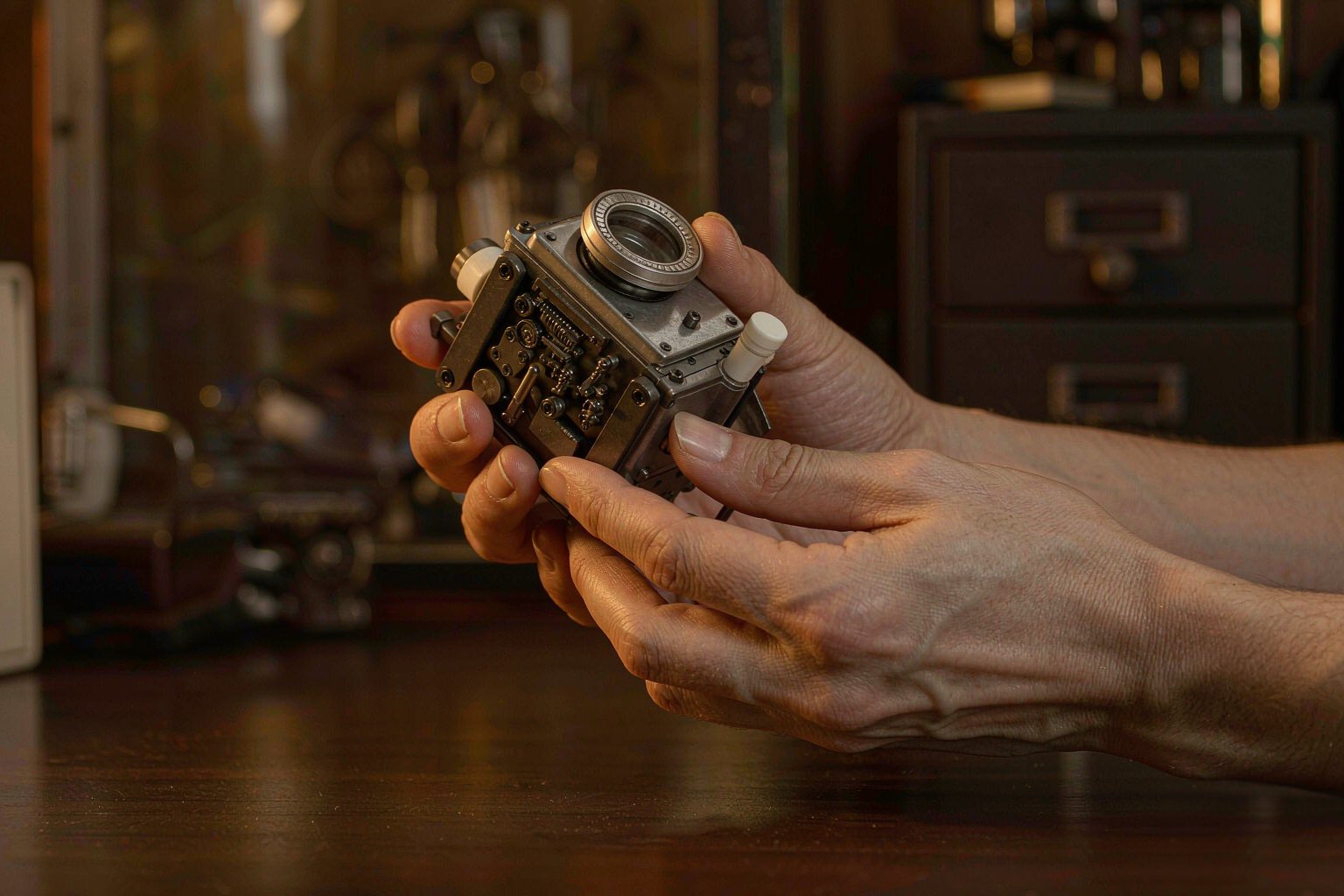



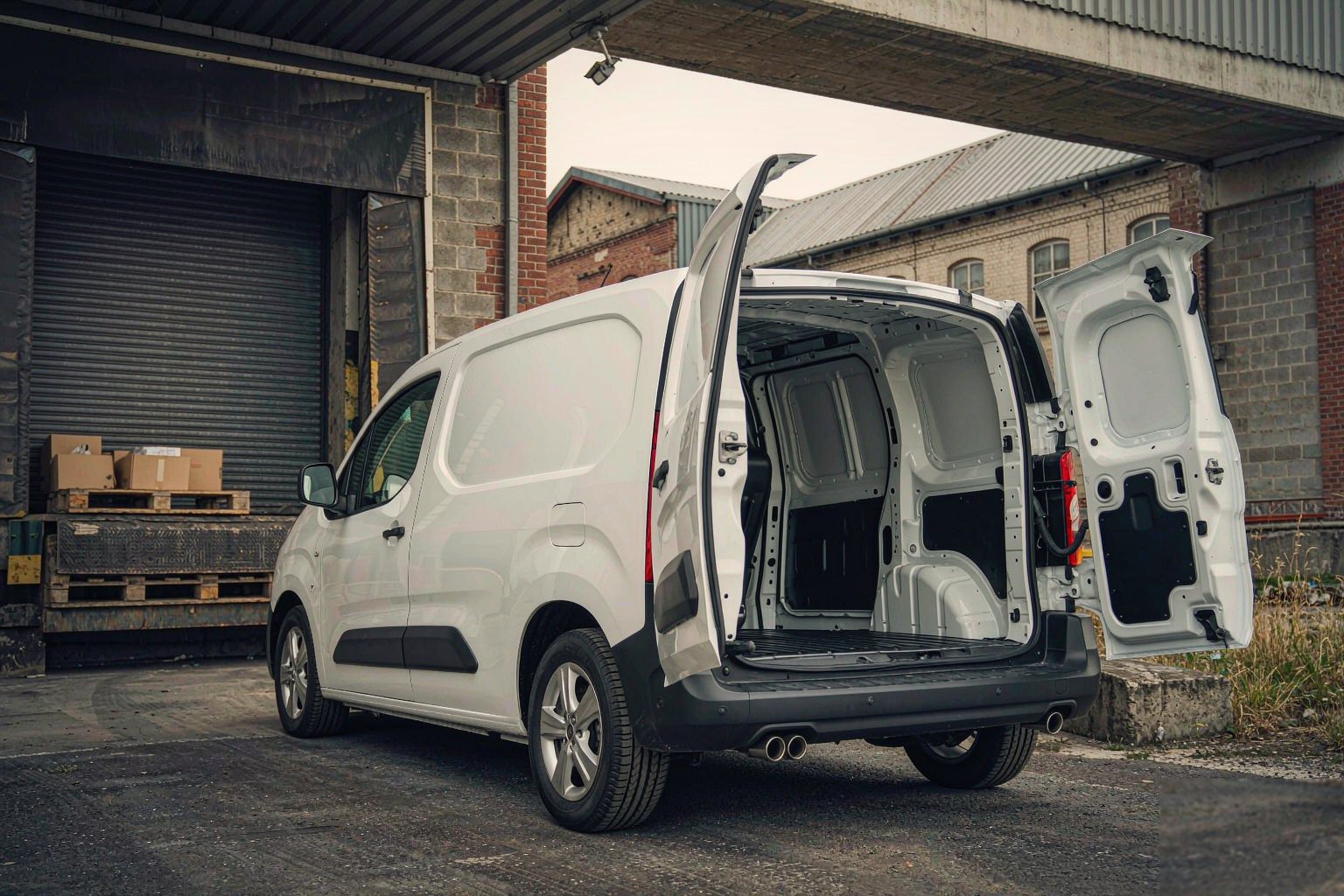


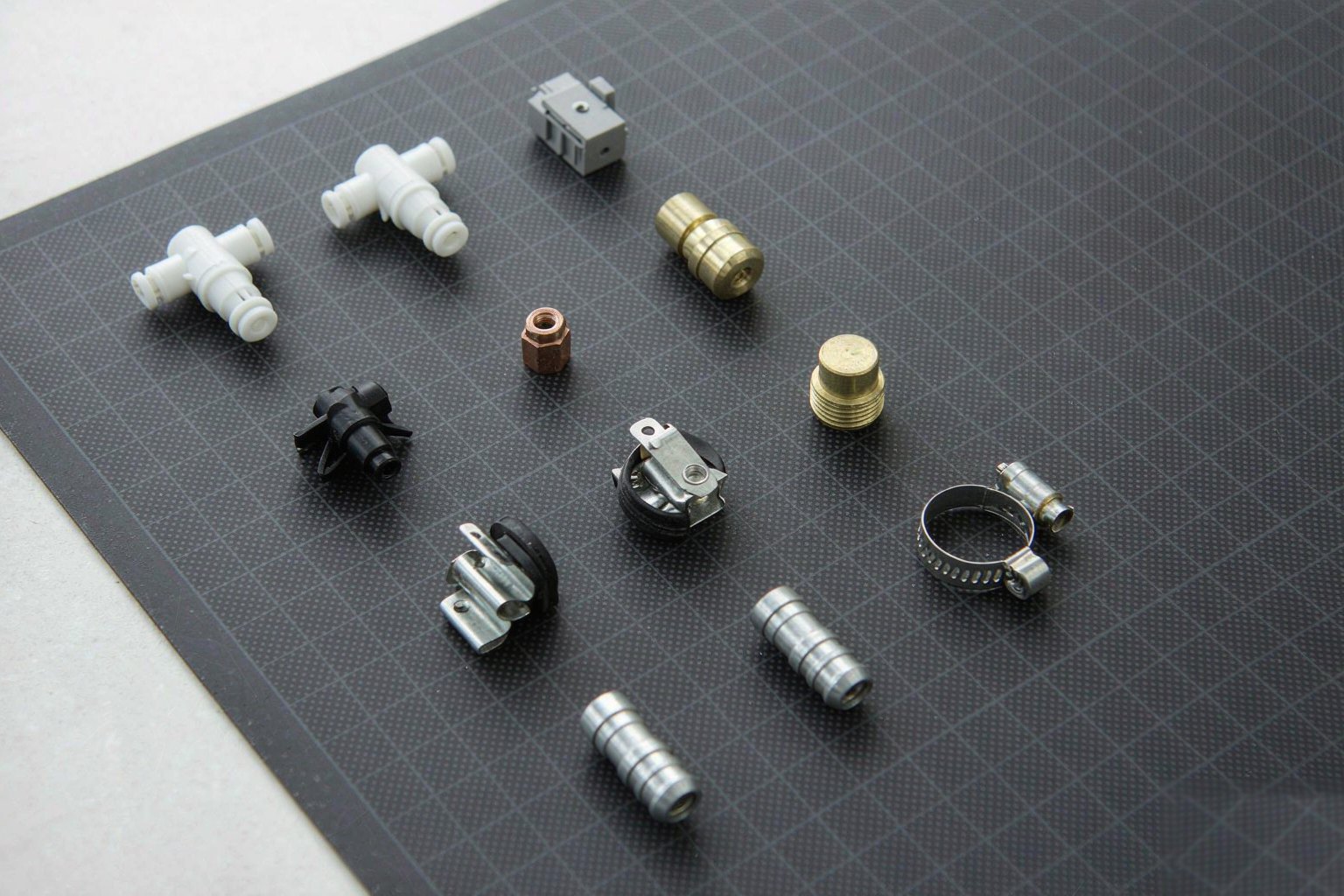
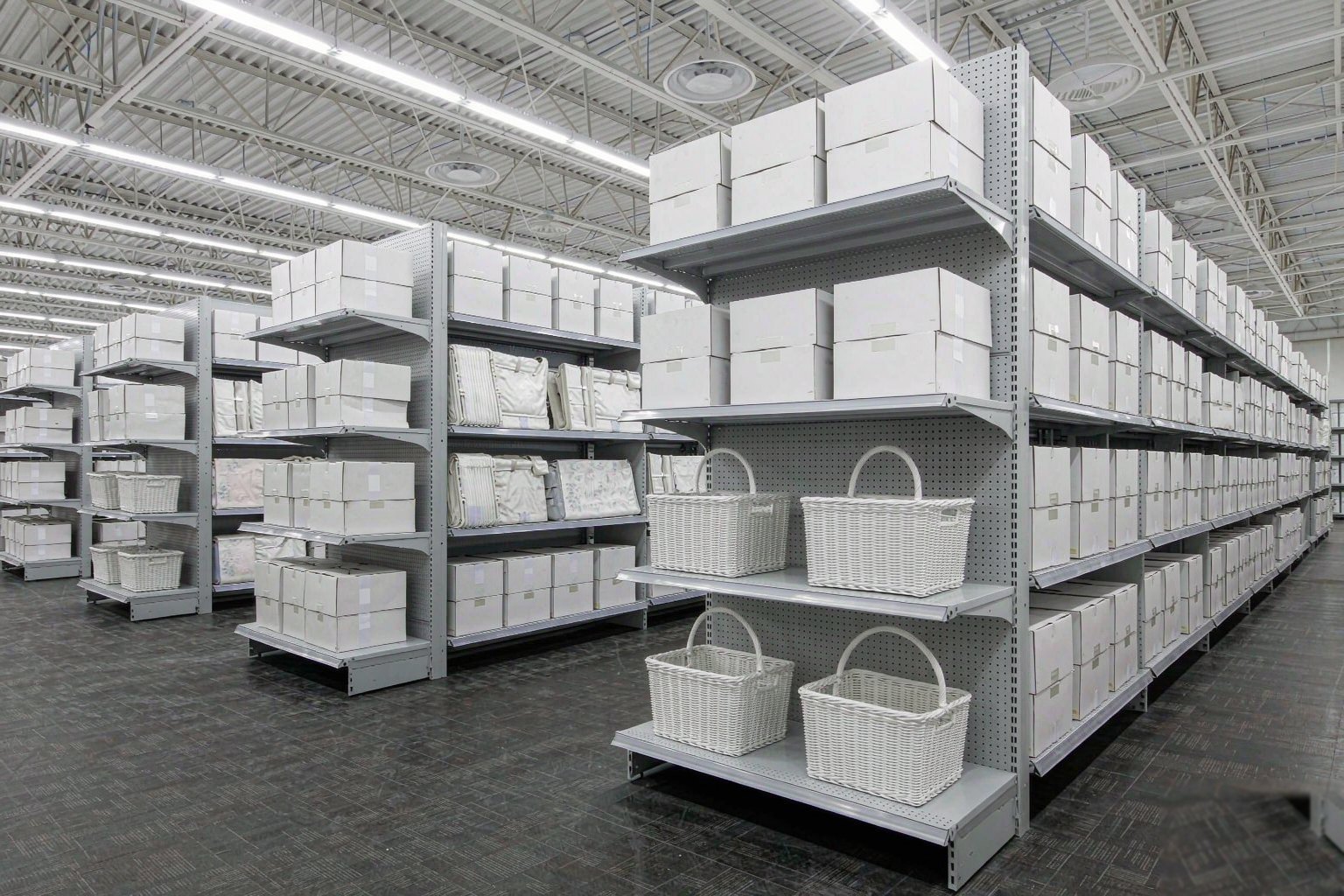
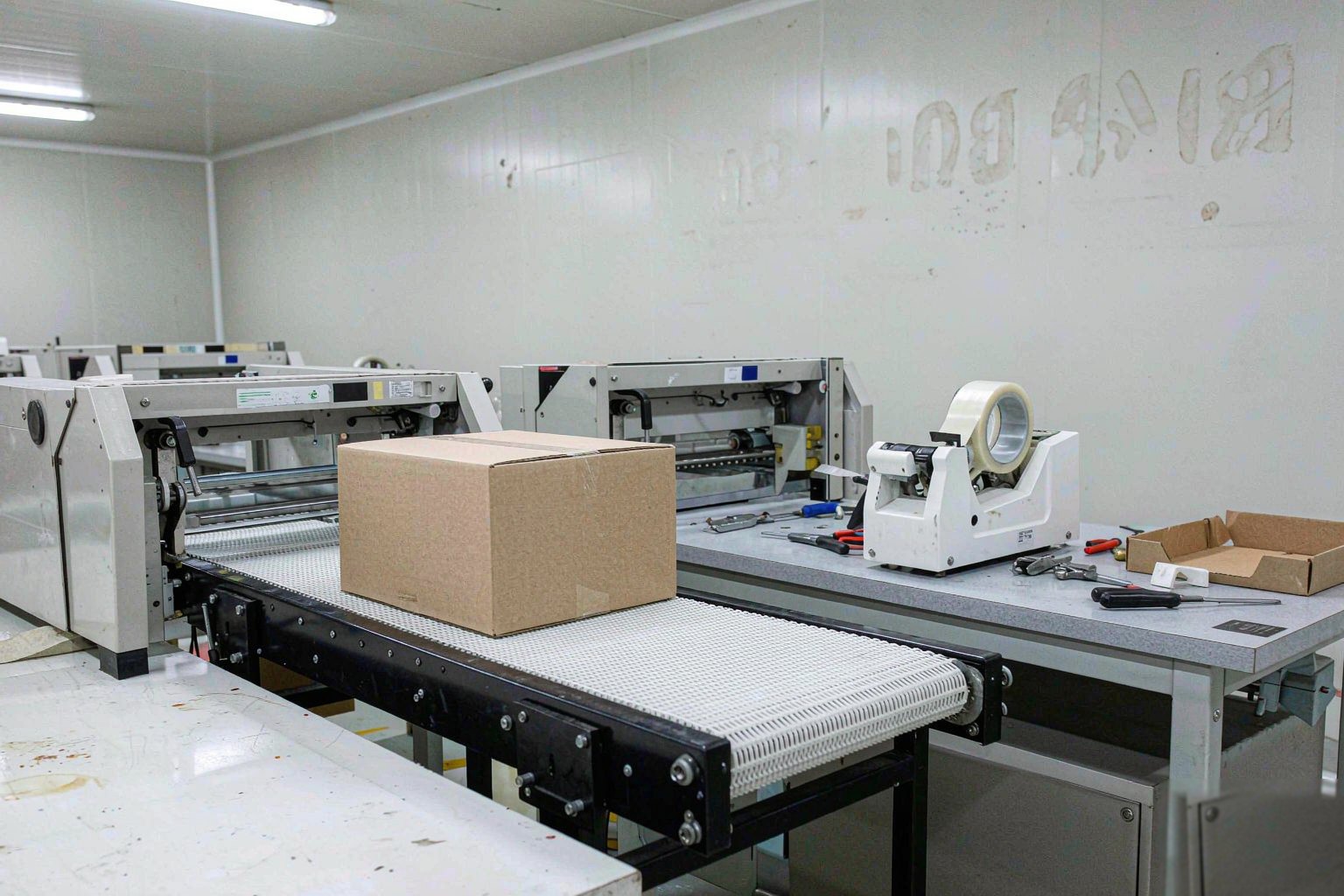

Categories shown are illustrative of scope. We confirm what is researchable during the scoping call.
Fixed bands, agreed before work starts
Research is priced per brief. The bands below cover most requests; anything larger is scoped on a call first.
Category Brief
One product category, one decision
£45 fixed
Per brief
- One category researched
- Up to six products compared
- Sources referenced
- Written summary pack
Scope confirmed before work starts
Research Pack
Two or three categories, one set of criteria
£120 fixed
Most requested
- Up to three categories
- Competitor positioning read
- Normalised comparison tables
- Ranked shortlist
- Handover call
Sourcing Dossier
Categories plus supply channel review
£190 fixed
Per brief
- Category and competitor work
- Supply channel comparison
- Minimum order and lead-time notes
- Risk flags to verify
- Full referenced pack
Scope confirmed before work starts
Larger programmes and ongoing research retainers are quoted after a scoping call — we do not publish a figure before the scope is understood. All prices are exclusive of VAT where applicable.
The things people ask before they brief us
Are you a wholesale business, a supplier or an agent?
No — we are none of those. We do not hold stock, we do not sell goods and we do not act on behalf of anyone. We produce research: findings, comparisons and source-referenced information that you use to make your own decision.
Will you place orders or pay suppliers for me?
No. We never order, purchase, negotiate or handle money on your behalf, and we do not receive payment from any party we describe in a brief. Any purchasing you decide on is arranged directly between you and the party you choose.
What exactly is in a research pack?
A written document containing your agreed criteria, the sources consulted, like-for-like comparison tables, a ranked shortlist, risk flags and a next-step checklist. Sources are referenced inline so you can verify any figure yourself.
How long does a brief take?
A single Category Brief is usually delivered within five working days of the scoping call. Larger packs and dossiers depend on how many categories and channels are in scope, and the timescale is agreed before work starts.

Tell us what you are trying to decide
A short scoping call is enough for us to say whether the question is researchable, what it would involve and which band it falls into.